A Russian way to stay healthy
I was watching as Edik and Irina, two distant relatives of mine, were preparing the banya (wet-steam sauna): sawing wood; making broom-like veniki from birch branches; feeding the fire; and loading water into the tank for steam-making. They’d been lauding this traditional Russian bathhouse experience for days, telling my husband and I how wonderful they feel after a session. Seeing as today was Saturday and they were not at work, it was finally time for us to experience this famous custom for ourselves.
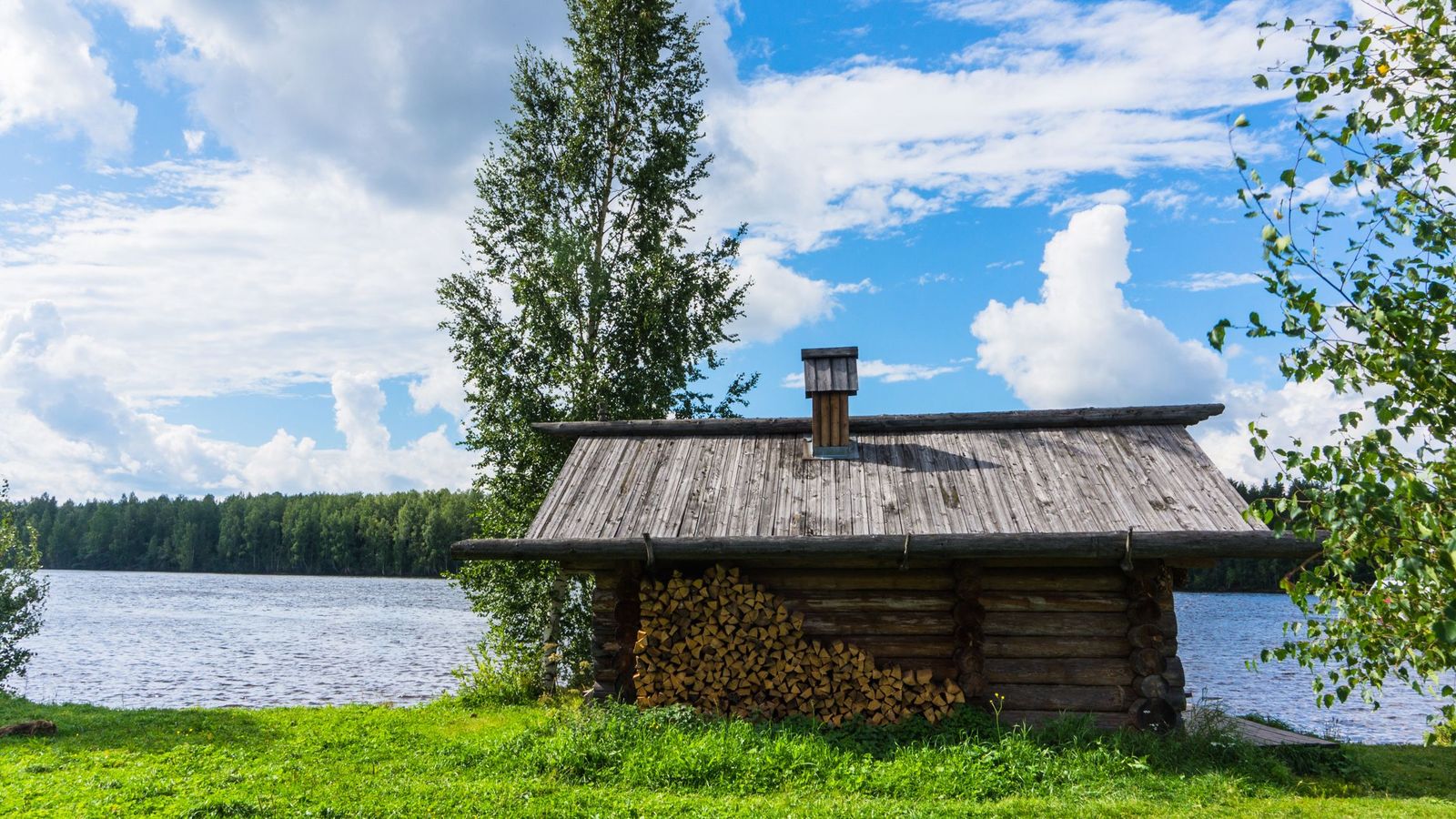
The banya, or wet-steam sauna, is an important weekly activity for many Russians (Credit: Vermontaim/Getty Images)
A few hours later we were all naked, perched on the aspen log seats inside the parilka (steam room), ready for what would no doubt be a memorable afternoon. Traditionally there are three rooms in a Russian banya: parilka; moyka (wash room); and predbannik (relaxation room), and you could spend hours moving around between the different spaces.
There was no thermostat in this one, but Edik estimated the temperature to be nearing 90°C, which is about average for a Russian banya. The heat is balanced with moisture in the air and, when the air becomes too humid, the steam becomes uncomfortable. This signals that it is time to cool off.
You may also be interested in:
• Japan’s naked art of body positivity
• Russia’s strange bread-sniffing ritual
• A Slovenian pilgrimage for wellness
After about 20 minutes, Edik leapt from his seat and ran into the snow, diving into the white mass and emerging seconds later looking as red as a beetroot. Irina soon followed. They could easily have sat in the banya for longer, but they recognised that my husband and I needed a reprieve. They were right, and although I would never, in normal circumstances, run naked into the snow, right then it was exactly what I needed to do.
Inside the predbannik we all sipped on kvass (a traditional fermented drink usually made from rye bread) and tea, and soon moved back into the parilka for the venik platza, which is essentially a soft beating with a bundle of twigs (birch and oak are the two most frequently used, but spruce, juniper, eucalyptus and maple are some other relatively common varieties). In Russia, it’s believed that the soft beating process aids in muscle and joint pain relief, cleanses the skin and stimulates blood flow. Some even theorise that it helps with ventilation by removing phlegm.
Comments
Post a Comment